

Let’s be honest—HVAC ratings can sound like alphabet soup. SEER, EER, HSPF… what do they all mean, and why should you care? Understanding these energy efficiency ratings helps you choose the right system and save big on energy bills. Here’s a quick guide to breaking it all down in plain English.
What is SEER?
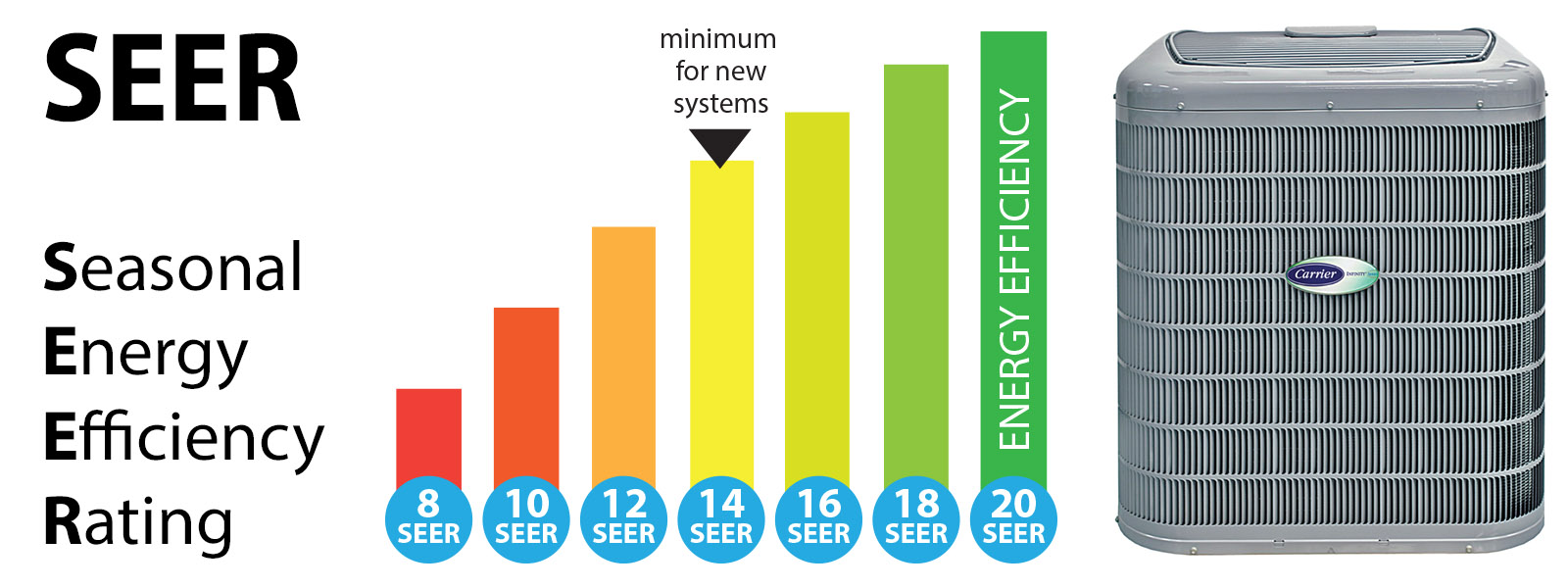
SEER stands for Seasonal Energy Efficiency Ratio. It tells you how efficiently an air conditioner or heat pump cools over an entire season. Think of it like a car’s miles per gallon—the higher the number, the more efficient it is.
-
Standard SEER ratings for new systems range from 13 to 25+.
-
In warmer climates, a higher SEER rating can make a big difference in energy savings.
What is EER?
EER stands for Energy Efficiency Ratio. It measures how efficiently a unit runs at a specific temperature (usually 95°F).
-
EER is more useful in places that stay hot year-round.
-
If you’re in the Southwest or a desert climate, look for systems with both high SEER and EER ratings.
What is HSPF?
HSPF stands for Heating Seasonal Performance Factor. It’s the heating version of SEER and applies to heat pumps.
-
The higher the HSPF, the more efficient your heat pump is at heating.
-
A good HSPF rating is around 8 or higher.
What About AFUE?
AFUE is short for Annual Fuel Utilization Efficiency. It applies to gas furnaces and tells you how much of the fuel gets converted into usable heat.
-
A 90% AFUE means 90 cents of every fuel dollar goes toward heating your home.
-
High-efficiency furnaces have AFUE ratings of 90–98%.
Which Rating Matters Most?
That depends on what system you’re buying and where you live:
-
Hot climates: Focus on SEER and EER.
-
Cold climates: Pay attention to HSPF (for heat pumps) or AFUE (for gas furnaces).
-
Year-round comfort: A heat pump with solid SEER and HSPF numbers is a great all-in-one option.
Final Thoughts
While efficiency ratings aren’t the only factor to consider, they’re a powerful tool in your HVAC decision-making toolbox. A higher rating might cost more upfront, but you’ll likely save a lot more over the life of the unit.
Need help choosing the most efficient system for your home or business? Reach out to our experts for personalized recommendations.